2026 Best Camera Accessory Pouch for Travel and Storage?

Choosing the 2026 Best Camera Accessory Pouch for Travel and Storage requires more than attractive colors or clever marketing. A reliable Camera Accessory Pouch should protect small equipment, reduce packing stress, and remain easy to access during real journeys. Think of spare batteries, memory cards, lens cloths, cables, and a compact charger moving through airports, hotel rooms, and outdoor locations.

This guide examines practical features from a photographer’s perspective. We consider padding, water resistance, zipper quality, internal dividers, carrying options, and overall capacity. A good pouch should fit neatly inside a camera bag without wasting valuable space. It should also open widely enough to reveal a missing card quickly. Small details matter here.

Real-world use can expose weaknesses that product descriptions hide. Some pouches feel durable but become bulky when fully loaded. Others offer excellent organization but lack meaningful protection around fragile accessories. No design is perfect. That is worth remembering. Our comparisons focus on balanced performance, dependable construction, and sensible value rather than exaggerated promises.

You will find options for photographers who travel lightly, work outdoors, or store equipment at home. Each recommendation should be judged against your camera system, packing habits, and expected conditions. A pouch that suits a weekend city trip may disappoint on a dusty trail. Careful selection can prevent loose accessories from scratching lenses or disappearing beneath clothing. This overview aims to make that decision clearer, more practical, and easier to verify before purchase.
2026 Best Camera Accessory Pouch for Travel and Storage?

What Is a Camera Accessory Pouch and Why Use One for Travel?

A camera accessory pouch is a compact organizer for batteries, memory cards, cables, filters, and cleaning tools. It is not a camera bag. Its job is smaller and more practical: keeping fragile, easy-to-lose items together during movement. In field use, I prefer a pouch with padded walls, quiet zippers, and two internal sections. One holds batteries and cards. The other carries a short charging cable, microfiber cloth, and blower. A water-resistant exterior helps when a drink spills or light rain starts. It does not make equipment waterproof.

Travel demand also makes organization more important. IATA reported that global passenger demand increased 10.4% in 2024, showing how frequently photography equipment moves between destinations. CIPA recorded about 8.49 million digital-camera shipments in 2024, indicating continued demand for portable imaging gear. A pouch protects the smaller accessories supporting those cameras. It also reduces airport-search clutter and prevents loose cards from hiding inside a jacket pocket. Keep batteries separated from metal objects. Store memory cards in a rigid case inside the pouch. This small habit is easy to neglect.

My own setup is not perfectly efficient. I sometimes carry too many adapters and forget which battery is charged. A transparent card sleeve helps, but it adds another item to manage. For 2026 travel, choose a pouch that fits your real kit, not an imagined one. Measure your charger first. Then check whether the pouch still closes with two spare batteries, a cable, and a cleaning cloth inside. Oversized organizers waste space. Very thin ones offer little protection.

2026 Best Camera Accessory Pouch for Travel and Storage? - What Is a Camera Accessory Pouch and Why Use One for Travel?

Comparison of common camera accessory pouch formats. Dimensions, capacity, and weight are typical ranges for travel-oriented products and may vary by construction.
Pouch Type Typical External Size Approx. Weight Recommended Capacity Common Materials Best Travel Use Main Advantage
Compact Cable Pouch 18 × 12 × 5 cm 80–150 g Memory cards, USB cables, batteries, card reader Polyester or nylon with mesh pockets Air travel and everyday carry Lightweight organization in a small space
Padded Accessory Organizer 22 × 16 × 8 cm 180–300 g Batteries, chargers, cables, filters, small tools Nylon shell with foam padding Carry-on luggage and camera backpacks Balances protection, capacity, and portability
Electronics Travel Case 25 × 19 × 9 cm 250–450 g Multiple chargers, power bank, cables, adapters EVA or semi-rigid shell with fabric lining Long trips with several electronic devices Strong crush resistance and clear separation
Filter and Memory Card Wallet 14 × 10 × 3 cm 60–130 g Lens filters, SD cards, microSD cards, card cases Polyester, microfiber, and elastic holders Landscape, travel, and outdoor photography Prevents scratches and keeps small media easy to find
Battery Storage Pouch 16 × 11 × 5 cm 90–180 g 3–6 camera batteries and a compact charger Padded nylon with elastic loops Multi-day shooting and remote locations Reduces battery movement and simplifies inventory
Weather-Resistant Utility Pouch 20 × 15 × 7 cm 160–280 g Rain cover, cleaning cloth, batteries, cables, small accessories Coated nylon with water-resistant zipper Hiking, coastal travel, and unpredictable weather Helps protect contents from splashes and light rain
Modular Insert Pouch 24 × 17 × 10 cm 250–450 g Flash, trigger, batteries, cables, filters, and small lenses Padded nylon with adjustable dividers Photographers switching between bags Can be moved between a backpack, suitcase, or tote
Hard-Shell Protective Case 28 × 20 × 10 cm 450–800 g Fragile accessories, storage media, batteries, and chargers Molded EVA or plastic with foam interior Checked luggage and demanding transport Highest impact and crush protection
What is a camera accessory pouch? It is a compact organizer designed to store small photography items separately from the camera and lenses. A suitable pouch protects delicate accessories, reduces cable and battery clutter, and makes equipment easier to locate during travel.

Key Features to Consider When Choosing a Camera Accessory Pouch

When choosing a camera accessory pouch for 2026 travel, start with the equipment you actually carry. A pouch that fits spare batteries, memory cards, cables, filters, and a small charger should feel organized, not crowded. Fit matters. Measure your largest accessory before buying, because advertised capacity can be misleading.

Protection deserves close attention. Look for padded walls, firm dividers, and a smooth zipper that does not catch fabric. Water-resistant material can protect against light rain and accidental splashes, but it is not a substitute for a sealed dry bag. I once trusted a thin pouch during a damp outdoor shoot. The accessories survived, but the pouch became difficult to handle. That experience changed my priorities.

Interior design affects speed in real use. Separate pockets help prevent batteries from rubbing against memory cards or metal tools. Bright lining makes small items easier to find inside a dark bag. Elastic loops can hold charging cables neatly, although overly tight loops may damage thicker cords. A flat pocket is useful for receipts, cleaning cloths, or a short equipment checklist.

Check the pouch when fully loaded. It should close without bulging, while remaining light enough for daily travel. Strong stitching and reinforced handles suggest better long-term reliability. However, extra features can add weight and unused complexity. A practical pouch may look less impressive, yet perform better when you are tired, moving quickly, or working in poor weather.

How to Match Pouch Size With Your Camera Equipment

2026 Best Camera Accessory Pouch for Travel and Storage?

Choosing a pouch starts with measurements, not appearance. Measure the camera body, attached lens, spare battery, memory cards, and charging cable. Add 15–20% extra space for padding and easier access. A tight pouch may protect gear, but it can also press against dials and screens.

CIPA’s 2024 camera shipment report shows continued demand for interchangeable-lens mirrorless cameras. These systems often involve several compact lenses and batteries. Therefore, a modular pouch can work better than one deep compartment. A body with a standard zoom may need a medium pouch. A telephoto lens usually needs a separate, longer sleeve. Check the manufacturer’s internal dimensions, not only the external size. I learned this after a pouch looked spacious but barely closed around a lens hood.

Tips:

Place the heaviest item in the center. Keep batteries in a separate pocket. Leave room for a cleaning cloth. Use dividers when possible.

The International Air Transport Association’s 2024 Global Passenger Survey highlights travelers’ strong preference for smoother, faster journeys. Easy access matters at security checks and during transfers. A pouch with a wide opening can reduce handling time. However, too many pockets may slow you down. I sometimes choose fewer compartments after realizing that organization can become clutter. Test the packed pouch while walking, lifting, and opening it with one hand.

Ways to Organize and Protect Accessories Inside the Pouch

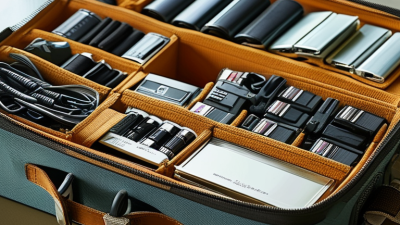
A well-designed camera accessory pouch should make every small item visible and reachable.

In my travel tests, I place batteries in a zippered mesh section and memory cards in a separate, rigid sleeve. This prevents loose cards from rubbing against coins, keys, or cables.

Keep it simple. Each item needs a fixed place.

Short cables should be coiled loosely, then secured with a reusable strap. Avoid tight bends near the connectors, where repeated pressure can weaken the internal wires.

I store lens cloths in a clean compartment, away from dusty adapters and metal parts. A small divider also stops filters from touching one another.

Nothing should rattle. If the pouch moves noisily, it is probably overpacked.

For better protection, choose padding that feels firm but not bulky. Soft lining helps reduce scratches, while water-resistant fabric offers useful protection against light rain and accidental splashes.

I check the pouch before every trip and remove items I did not use last time. That habit saves space, although I still carry too many spare cables occasionally.

This is a useful flaw to review, not ignore.

Before closing the pouch, I inspect zippers, card pockets, and battery contacts for grit or moisture. A simple inventory note on my phone also helps prevent forgotten accessories.

Travel, Storage, and Maintenance Tips for Long-Term Use

In 2026, the best camera accessory pouch for travel is not necessarily the largest one. It should hold spare batteries, memory cards, a charger, cables, a blower, and a small cleaning cloth without becoming bulky. I prefer padded dividers and a water-resistant exterior. Zippers should open smoothly with one hand. That detail matters when a camera hangs from my shoulder. Keep batteries in a separate sleeve. Loose contacts can collect grit.

During travel, I pack the pouch inside my personal bag, never at the bottom of checked luggage. I place frequently used items near the opening. A labeled pocket reduces rushed searching in dim stations or outdoor locations. Dust is persistent. After a beach walk, I wipe the pouch exterior before opening it. I also inspect memory-card cases for sand. One careless unzip can spread fine grit across sensitive equipment. A dry silica packet helps, but it is not a substitute for ventilation.

Long-term storage needs a different routine. I remove batteries, empty every pocket, and leave the pouch open overnight. Once a month, I check stitching, elastic loops, and zipper teeth. If the pouch smells damp, I do not store equipment inside it. I clean surfaces with a soft, dry cloth and avoid harsh liquids. My own mistake was overpacking; the stretched divider no longer protected a cable properly. Smaller kits are often safer. Still, I sometimes carry one unnecessary adapter, because missing a simple connection can ruin a planned shot.