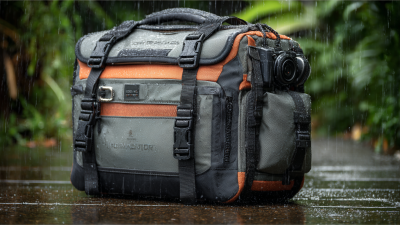
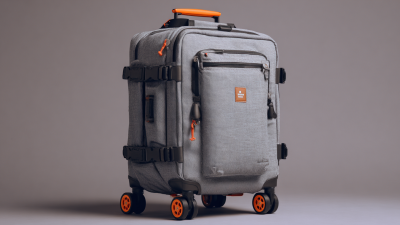
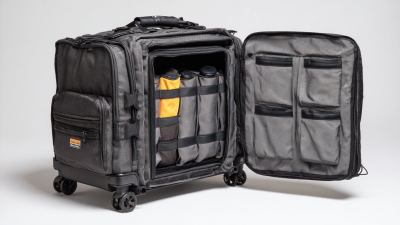
Wholesale buyers need camera bags that protect equipment and support dependable resale value. A Small Rolling Camera Bag can simplify transport for photographers, studios, rental teams, and mobile production crews. However, compact designs often create difficult trade-offs between protection, capacity, weight, and maneuverability.
This guide introduces ten small rolling camera bags selected for practical wholesale evaluation. Each option deserves attention for construction quality, compartment design, wheel performance, handle strength, and supplier consistency. Look for dense padding, reinforced corners, smooth zippers, and adjustable dividers that hold cameras without excessive movement. Small details matter.
A crowded equipment case can slow a working photographer.
The review also considers wholesale essentials, including minimum order quantities, sample availability, customization options, packaging, warranty terms, and shipping reliability. A supplier may offer an attractive price, yet inconsistent stitching or weak wheels can increase returns. Request product samples before committing to larger volumes. Test the handle on uneven flooring. Check whether dividers remain secure after repeated adjustments.
No single model suits every buyer. Some bags favor lightweight travel, while others provide deeper storage for lenses and accessories. Our selection may not perfectly match every regional market or customer segment. That limitation deserves honest attention. Rankings can change when freight costs, seasonal demand, or supplier service are considered.
The goal is practical guidance, not exaggerated claims. Buyers can use these comparisons to identify durable designs, ask sharper questions, and choose inventory with greater confidence. Reliable sourcing begins with evidence.
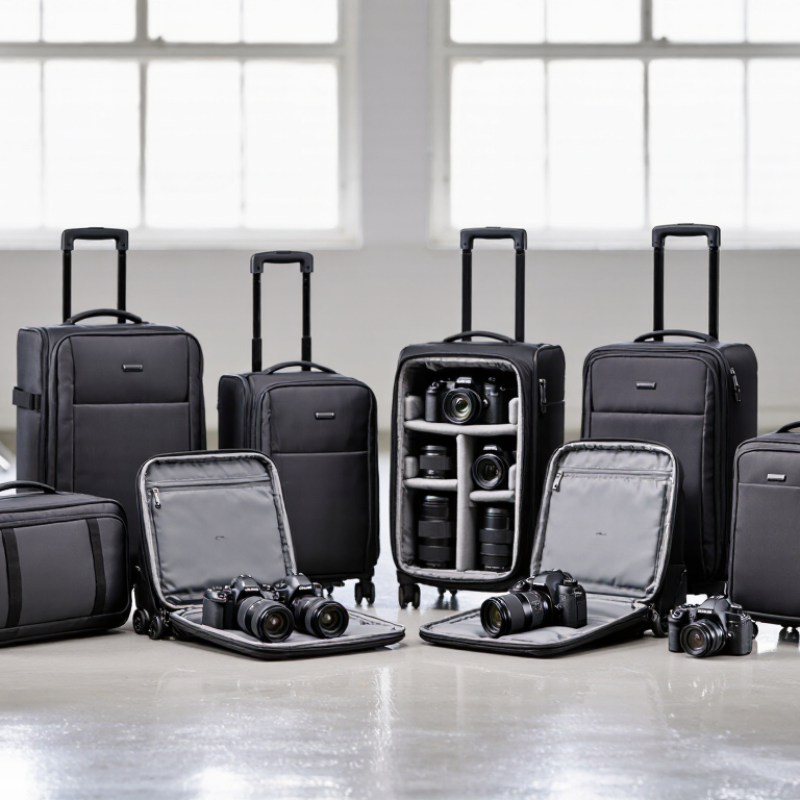
A small rolling camera bag is a compact wheeled carrier for cameras, lenses, batteries, and production accessories. Its defining parts include a telescopic handle, durable wheels, padded compartments, and a protective outer shell. For wholesale buyers, it sits between a shoulder case and a full equipment trolley. That distinction matters.
CIPA’s 2024 industry statistics recorded more than 8 million digital cameras shipped worldwide. This installed equipment base supports demand for safer, more mobile storage. However, camera shipments do not directly measure bag sales. That limitation deserves attention. Grand View Research estimates the global camera accessories market at roughly US$3 billion in 2023, with continued growth expected through 2030. Buyers should therefore assess function, not only market excitement.
A useful interior has adjustable dividers, dense foam, and a separate sleeve for documents or tablets. The base should resist abrasion from concrete floors and airport conveyor belts. Smooth wheels help on tile, but small wheels can struggle on uneven pavement. Water-resistant fabric, sealed zippers, and reinforced stitching reduce exposure risks during outdoor work.
A rigid shell is not automatically better. It may protect equipment well, yet add noticeable weight and storage difficulty. In practical inspections, handle wobble often appears before fabric damage. Check it under load, not while empty. Confirm dimensions carefully, because carry-on limits vary by airline and route. Wholesale specifications should state empty weight, internal measurements, wheel material, handle height, divider count, and tested load capacity.
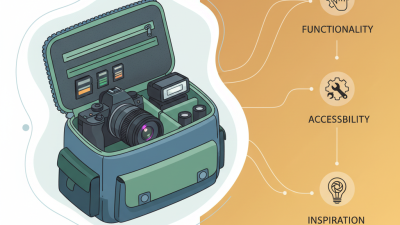
Wholesale buyers should test small rolling camera bags with real equipment, not empty showroom samples. A loaded bag may weigh 8 to 12 kilograms. Check whether the handle stays rigid under pressure. Roll it across tile, carpet, and uneven pavement. Small wheels can feel smooth indoors but struggle outside.
Measure the interior carefully. A useful bag should hold a camera body, two lenses, batteries, cables, and a compact tripod. Adjustable dividers need firm stitching and clean edges. Soft padding protects equipment, but excessive padding reduces usable space. That trade-off is easy to miss. Inspect zippers, wheel housings, seams, and corner guards after repeated opening. Water-resistant fabric helps during light rain, although it should never replace proper equipment protection.
Wholesale pricing matters, but return rates matter more. Ask suppliers for material specifications, sample test results, carton dimensions, and replacement-part policies. Compare the empty weight with the actual load capacity. A bag that looks compact may become awkward on stairs. Handle height should suit different users, including shorter retail customers. In one evaluation, we focused too heavily on wheel size and overlooked noisy movement. That was a useful correction. Buyers should also review packing efficiency, barcode placement, color consistency, and delivery reliability before placing larger orders.
Wholesale buyers should compare ten small rolling camera bag categories: compact two-wheel, four-wheel spinner, soft-sided, hard-shell, backpack-convertible, modular insert, under-seat, waterproof, drone-compatible, and laptop-integrated designs. Each serves a different purchasing need. Two-wheel models suit narrow aisles and uneven pavements. Four-wheel bags turn easily but may sacrifice internal space. Soft-sided cases usually weigh less, while hard-shell versions offer stronger impact protection. Backpack-convertible bags help mobile crews, although their wheels and straps can increase replacement costs.
CIPA’s 2024 statistics recorded about 8.49 million digital camera shipments worldwide, showing continued demand for practical transport equipment. However, camera shipment growth does not automatically guarantee equal bag demand. Buyers should examine regional rental habits, body sizes, lens lengths, and airline cabin policies. Under-seat categories can sell well in travel-focused markets. They may disappoint customers carrying telephoto lenses. Small details matter: a 15-inch laptop sleeve, sealed wheel bearings, padded dividers, and a handle that clears 90 centimeters can influence repeat orders.
A market report from Grand View Research identifies portability and protective storage as major camera-bag purchasing factors. Still, forecasts are not promises. I would test samples on stairs, wet pavement, and crowded storage rooms before placing a large order. Color consistency, zipper strength, wheel noise, and divider flexibility deserve written inspection standards. A cheaper soft case may win initial pricing, but a reinforced corner could reduce returns. That assumption needs evidence from actual field trials.
| Small Rolling Camera Bag Category | Typical External Size (L × W × H) |
Typical Empty Weight | Typical Camera Capacity | Wheel & Mobility Design | Protection Features | Laptop / Tablet Storage | Cabin Suitability | Best Wholesale Application |
|---|---|---|---|---|---|---|---|---|
| Compact Two-Wheel Camera Trolley | 35 × 23 × 48 cm | 2.5–3.5 kg | 1 mirrorless or DSLR body, 2–4 lenses, small accessories | Two recessed wheels with telescopic handle | Padded dividers, reinforced base, water-resistant exterior | Fits tablets or compact 13-inch laptops in selected designs | Generally suitable; verify carrier limits | Entry-level photography and travel retailers |
| Four-Wheel Spinner Camera Case | 36 × 24 × fifty cm | 3.0–4.0 kg | 1 camera body, 3–5 lenses, flash, batteries and charger | Four 360-degree spinner wheels for upright movement | Adjustable padded insert, corner reinforcement, lockable zippers | Usually supports a 13-inch laptop or tablet | Often suitable; dimensions vary by model | Premium-looking travel and equipment collections |
| Under-Seat Rolling Camera Bag | 33 × 20 × 40 cm | 2.0–3.0 kg | Compact mirrorless kit, 2–3 lenses and personal items | Small two-wheel system optimized for narrow aisles | Removable camera insert, padded walls, abrasion-resistant base | Usually fits a small tablet; laptop space is limited | May fit under the seat; confirm airline dimensions | Frequent-travel and compact gear segments |
| Hybrid Rolling Backpack Camera Bag | 34 × 22 × 49 cm | 2.7–3.8 kg | 1 body, 3–4 lenses, tripod accessories and personal gear | Wheels with concealed shoulder straps and trolley sleeve | Padded camera compartment, sternum support, rain cover in many designs | Commonly accommodates a 13–15-inch laptop | Often suitable when not overpacked | Outdoor, travel and multipurpose camera channels |
| Compact Hard-Shell Rolling Camera Case | 38 × 26 × fifty-two cm | 3.5–5.0 kg | 1–2 bodies, 3–5 lenses and fragile accessories | Two or four wheels, depending on case construction | Rigid shell, foam or divider interior, gasketed closure on some models | Usually no dedicated laptop section | Cabin use depends heavily on shell thickness | Rental houses, production suppliers and protection-focused buyers |
| Modular Insert Rolling Bag | 37 × 24 × 50 cm | 2.8–4.2 kg | Removable insert can hold 1 body, 3–6 lenses or mixed equipment | Two-wheel trolley with removable padded camera module | Adjustable dividers, removable insert, padded lid and base | Frequently includes a separate tablet or laptop sleeve | Usually suitable if insert and outer size comply | Retailers seeking one bag for camera and general travel use |
| Rolling Camera Duffel | 40 × 25 × fifty-four cm | 2.5–4.0 kg | 1 body, 4–6 lenses, folded support gear and clothing | Two larger wheels with top and side carry handles | Flexible padded compartments, reinforced bottom, compression straps | Optional padded sleeve; not standard in every design | May exceed cabin limits when fully expanded | Video, event and light-production equipment markets |
| Water-Resistant Outdoor Rolling Camera Bag | 36 × 24 × 49 cm | 3.0–4.5 kg | 1 body, 2–4 lenses, batteries and weather accessories | Oversized wheels and reinforced trolley frame for uneven surfaces | Water-resistant fabric, storm flap, sealed padding and rugged base | Usually supports a tablet or slim laptop | Suitable only when external dimensions meet airline rules | Outdoor photography, sports and field-service channels |
| Rolling Lighting and Accessory Case | 42 × 28 × fifty-five cm | 3.5–5.5 kg | Compact flash units, LED panels, stands, cables and modifiers | Two-wheel trolley with wide wheelbase for heavier loads | Thick padded dividers, reinforced corners and load-bearing handles | Usually no dedicated laptop compartment | Often too large for cabin use; check carrier policy | Studio, event-production and rental-equipment buyers |
| Expandable Rolling Camera Carry-On | 36 × 23 × 48 cm; expands to approximately 28 cm deep | 3.0–4.2 kg | 1 body, 3–5 lenses, accessories and limited personal items | Two or four wheels with expandable main compartment | Padded camera insert, reinforced wheel housing and compression straps | Commonly includes a 13–15-inch laptop compartment | Cabin-friendly when compressed; expansion may exceed limits | Travel photography and higher-capacity retail assortments |
Specifications shown are typical category ranges for wholesale comparison. Actual capacity, materials, wheel configuration and airline acceptance vary by construction and destination carrier; dimensions should be confirmed with the final product sample.
For wholesale buyers, a small rolling camera bag must balance light materials with dependable structure. Water-resistant polyester or nylon helps resist rain, dust, and daily abrasion. Textile Exchange’s 2024 Materials Market Report states that recycled polyester represented about 14% of global polyester production in 2023. That option can support material transparency, but recycled content alone does not prove durability. Check denier, stitching density, zipper quality, and coating performance.
Protection needs practical testing. A padded divider should hold lenses firmly without creating pressure points. Closed-cell foam usually resists moisture better than soft open-cell padding. SITA’s 2024 Baggage IT Insights reported 6.9 mishandled bags per 1,000 passengers in 2023. A rolling bag may face rough handling before reaching its owner. Reinforced corners, a stable telescopic handle, and quiet wheels deserve close inspection. Marketing language can still mislead.
Mobility affects real storage value. Two smooth wheels suit straight airport corridors, while four spinner wheels improve movement in crowded spaces. The trade-off is greater exposure to impact. Measure the usable interior, not the advertised external volume. A compact bag should fit a camera body, two lenses, batteries, cards, and a small charger. Removable dividers increase wholesale versatility. However, excessive compartments waste space and add weight. A simple packing trial often reveals more than a specification sheet. Leave room for imperfect packing.
For a ten-bag wholesale shortlist, begin with landed cost, not factory price. CIPA’s 2023 statistical report recorded 7.74 million digital camera shipments worldwide. That volume supports steady demand for compact protection, especially among mobile creators and event teams. Compare fabric, wheel, handle, packaging, freight, duties, and inspection fees. A low unit quote can become expensive after delivery.
Small details matter. Ask suppliers for three samples, not one. Test the telescopic handle with a loaded bag, roll wheels across rough flooring, and inspect stitching near corners. Confirm foam density, divider adjustability, zipper performance, and water-resistance test results. No universal camera-bag standard covers every feature, so your checklist must be specific. Numbers can mislead.
Customization should protect function. Request private-label panels, color matching, logo placement, carton artwork, and divider layouts without weakening the shell. Define minimum order quantities, sample charges, tooling fees, production lead times, and defect limits in writing. AQL inspection terms can improve consistency, but they do not replace factory audits. Supplier selection should include material traceability, quality records, export experience, and realistic capacity. The 2024 Global Trade Research Initiative report highlights continuing freight and supply-chain volatility; reserve time for delays.
My imperfect lesson: attractive samples often hide weak wheels. Test the boring parts first.