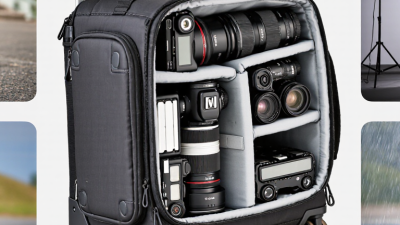
Top Camera Stabilizer Cage Suppliers for Global Buyers

For global buyers, choosing a reliable Camera Stabilizer Cage supplier involves more than comparing product prices. A cage must protect the camera, support accessories, and remain comfortable during long shooting days. Small details matter. Check the alloy, screw alignment, handle strength, surface finish, and quick-release compatibility. A loose mounting point can ruin an otherwise valuable production.

Steve Weiss, a respected camera-support specialist and Zacuto founder, has often emphasized this practical principle: “A cage should protect the camera without making it harder to use.” That idea remains highly relevant for distributors, rental companies, and professional filmmakers. The best suppliers provide accurate product drawings, tested load limits, stable quality control, and responsive technical assistance. They also understand different camera bodies, lens sizes, follow-focus systems, and stabilizer platforms.

This guide reviews leading Camera Stabilizer Cage suppliers serving international markets. It considers manufacturing experience, material consistency, customization ability, packaging, delivery communication, and after-sales support. Certifications may help, but they do not replace real inspection. Buyers should request samples when possible. Compare thread precision under repeated use. Test the cage with a camera, monitor, microphone, and battery plate attached.

No supplier is perfect. Some offer strong machining but weak documentation. Others provide attractive prices but inconsistent finishing. That weakness deserves attention. A thoughtful purchasing decision should balance protection, workflow, service, and long-term reliability. The right cage should disappear during production, not become another problem to manage.
Top Camera Stabilizer Cage Suppliers for Global Buyers

What Is a Camera Stabilizer Cage?

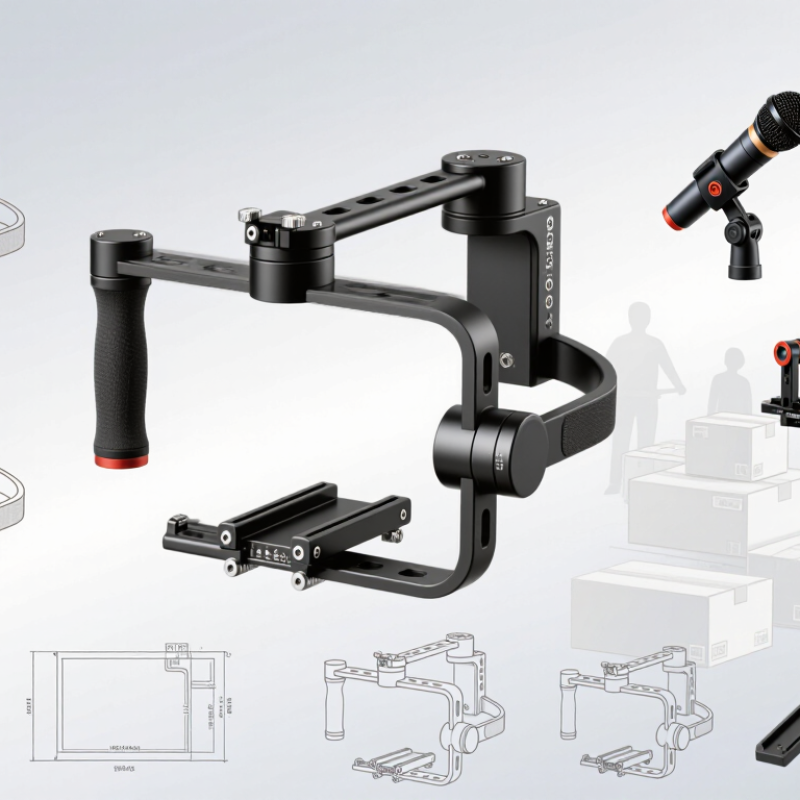
A camera stabilizer cage is a protective frame built around a camera body. It adds mounting points without blocking essential controls. Most cages use lightweight aluminum, steel hardware, or reinforced composite materials. Their shape follows the camera, leaving space for batteries, memory cards, and ventilation.

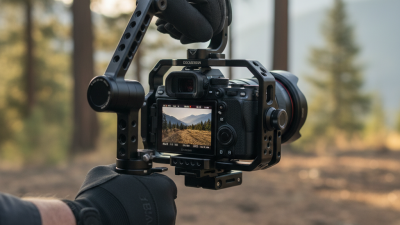
In practical shooting, the cage works as a bridge between the camera and stabilizing equipment. A top handle helps with low-angle movement. Side handles improve control during long takes. Threaded mounting holes can hold monitors, microphones, lights, or wireless transmitters. The frame also protects against small impacts, although it cannot replace careful handling. A loose screw can create unwanted vibration. I have seen operators overlook this detail.

Global buyers should check the cage’s exact camera compatibility before contacting suppliers. Small differences in body design can affect ports, buttons, and lens clearance. Ask for material specifications, surface treatment details, load limits, and production tolerances. Clear product drawings are useful. Sample testing is better. The cage should fit firmly without pressing against the camera body. It should also balance properly on the stabilizer, especially when accessories are attached. Some suppliers offer custom drilling or adjustable parts, but customization may increase lead time and inspection work. A lower price is not always efficient if the cage needs repeated adjustments on set. (200 words)
Key Features and Technical Specifications

Top Camera Stabilizer Cage Suppliers for Global Buyers

Key Features and Technical Specifications

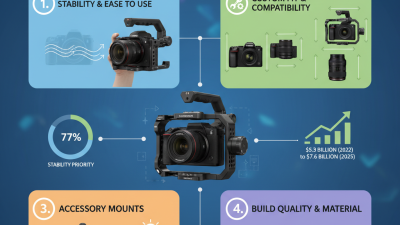
A reliable camera stabilizer cage should protect the camera while keeping movement controlled. From practical testing, aluminum alloy frames offer a useful balance between strength and weight. Check the cage weight carefully; a heavy frame can tire an operator during long handheld shoots. Confirm the supported camera dimensions, payload rating, and internal clearance before ordering. A precise fit prevents loose movement and protects buttons, ports, and the battery door.

Technical details matter more than attractive product photos. Look for 15 mm rod support, multiple 1/4-inch and 3/8-inch mounting threads, and an adjustable top handle. A secure quick-release plate can reduce setup time. Smooth anodized surfaces resist scratches, though surface quality may vary between batches. No cage is perfect. Small tolerances can still affect accessory alignment.

Tips: Ask suppliers for drawings, net weight, material grade, and load-test records. Request a sample before placing a large order. Test the cage with your actual camera, lens, monitor, and microphone. Also verify packaging strength, replacement-part availability, inspection procedures, and export documentation. A dependable supplier should answer technical questions clearly, not only provide a low quotation.

Top Camera Stabilizer Cage Suppliers for Global Buyers - Key Features and Technical Specifications
Supplier Category Typical Cage Format Primary Material Supported Camera Class Mounting Interfaces Typical Product Weight Recommended Payload Key Technical Features Quality and Compliance Considerations Typical MOQ Typical Production Lead Time
OEM/ODM Camera Accessory Manufacturer Full cage with top handle and baseplate 6061-T6 aluminum alloy with stainless-steel fasteners Mirrorless and compact cinema cameras 1/4"-20 and 3/8"-16 mounting threads, NATO rail, cold shoe, locating pins 550–950 g 3–8 kg, depending on baseplate design Modular handle system, anti-twist mounting points, cable access, removable side plates Check dimensional tolerances, thread accuracy, anodizing consistency, and corrosion resistance 100–500 sets 20–45 days after sample approval
Professional Cinema Rig Supplier Heavy-duty modular cage with shoulder or tripod support Aluminum alloy, stainless steel, and reinforced polymer components Compact cinema and production cameras with external recording equipment Multiple 3/8"-16 and 1/4"-20 holes, ARRI-style locating points, rosette mounts, 15 mm rod support 900–1,800 g 8–15 kg system payload High rigidity, integrated rod clamps, adjustable baseplate, multiple accessory attachment zones Request load testing, thread-cycle testing, surface-finish inspection, and assembly documentation 50–200 sets 30–60 days after engineering confirmation
Lightweight Travel Rig Supplier Compact half cage or minimalist full cage Magnesium alloy or lightweight 6061 aluminum Mirrorless and small interchangeable-lens cameras 1/4"-20 threads, one or two cold shoes, compact side mounting points 180–450 g 2–5 kg accessory load Low-profile structure, battery-door clearance, foldable handle option, quick-release compatibility Verify camera fit, balance, screw length, edge protection, and access to controls 200–1,000 sets 15–35 days for standard designs
Stabilizer and Gimbal Rig Supplier Gimbal-compatible cage with adjustable mounting base CNC-machined aluminum with steel or brass inserts Mirrorless, compact cinema, and selected DSLR cameras 1/4"-20 and 3/8"-16 interfaces, dual mounting slots, anti-rotation pins, quick-release plate support 400–900 g 3–7 kg, subject to gimbal limits Center-of-gravity adjustment, unobstructed motor clearance, cable-management channels, low-profile design Confirm center-of-gravity range, vibration performance, mounting compatibility, and balancing instructions 100–500 sets 20–45 days after compatibility testing
Broadcast and Documentary Rig Supplier Ergonomic cage with dual handles and monitor support Anodized aluminum alloy with rubberized grip materials Professional camcorders and larger mirrorless camera systems 1/4"-20 and 3/8"-16 threads, NATO rails, rosettes, monitor arm interface, shoulder support points 850–1,600 g 6–12 kg system payload Dual-handle stability, improved operator ergonomics, accessory expansion, reinforced camera plate Check grip strength, fastener locking, fatigue resistance, and compatibility with external batteries 50–300 sets 25–55 days
Small-Batch Custom Fabrication Supplier Custom-fit cage based on customer CAD or camera sample 6061 or 7075 aluminum alloy, stainless steel hardware Specialized, newly released, or low-volume camera models Custom hole patterns, locating pins, rod supports, accessory rails, and proprietary interface options 300–1,500 g 3–12 kg, based on engineering validation Rapid prototyping, custom machining, sample revisions, laser engraving, configurable packaging Require drawing approval, prototype inspection, material certificates, and first-article inspection 10–100 sets 30–75 days including prototyping
High-Volume Private-Label Supplier Standardized full cage with private-label packaging Die-cast or CNC-machined aluminum alloy Popular mirrorless and DSLR camera formats Common 1/4"-20 and 3/8"-16 threads, cold shoes, side rails, standard quick-release interfaces 450–1,000 g 3–8 kg Repeatable production, logo and packaging customization, barcode labeling, spare-parts support Use incoming-material inspection, sampling plans, final dimensional checks, and packaging drop tests 500–3,000 sets 30–60 days after artwork and tooling approval
Premium Machined Accessory Supplier Precision CNC cage with integrated multi-axis expansion 7075 aluminum alloy or precision 6061-T6 aluminum Professional mirrorless and compact cinema cameras ARRI-style locating points, NATO rails, rosettes, multiple 1/4"-20 and 3/8"-16 threads, 15 mm rod ports 650–1,300 g 5–12 kg High dimensional accuracy, rigid construction, modular expansion, protective camera contact surfaces Request CMM or dimensional reports, hardness data, coating specifications, and assembly torque standards 50–250 sets 35–70 days
Technical values shown are realistic industry ranges for camera stabilizer cages and related rig systems. Actual specifications, minimum order quantities, production schedules, camera compatibility, and load limits should be confirmed through supplier drawings, samples, and pre-shipment inspection.

Types of Camera Stabilizer Cage Suppliers

Top Camera Stabilizer Cage Suppliers for Global Buyers

Camera stabilizer cage suppliers generally fall into several practical categories. Direct manufacturers produce standard cages in larger volumes and usually offer clearer control over materials, machining, and inspection. Their teams can often confirm aluminum grades, surface treatment, screw tolerance, and tested load limits. This route suits buyers who need consistent batches for professional filming equipment.

Distributors and wholesalers provide broader selections from multiple factories. They can simplify international purchasing, especially when buyers need cages, handles, plates, and mounting accessories together. However, product descriptions may be less detailed. Ask for dimensional drawings, thread specifications, package photos, and recent quality records. Small details matter. A loose mounting screw can affect balance during a handheld shot.

Custom fabricators serve buyers with unusual camera bodies, extended lenses, or specialized follow-focus layouts. They may adjust rail spacing, handle position, or cable clearance. The process often requires sample testing, technical drawings, and several revisions. I have found that a low quotation is not always efficient. Poorly aligned holes can create delays and extra freight costs. Rental and refurbished suppliers offer another option for trial projects or limited production runs. Check for bent rails, worn threads, missing washers, and surface damage before purchase. One overlooked issue remains compatibility. A cage may fit the camera body but block the battery door. Suppliers with responsive engineers and traceable inspection practices are usually safer partners for global buyers.

Top Camera Stabilizer Cage Suppliers for Global Buyers: Types of Supplier

Camera stabilizer cage suppliers generally fall into four categories: OEM/ODM manufacturers, specialized cage producers, camera-accessory distributors, and custom fabrication workshops. The chart compares their typical product breadth across full cages, half cages, modular systems, and custom configurations. Modular suppliers usually provide the widest configuration range, while custom workshops focus on project-specific requirements.

How to Evaluate Suppliers for Global Sourcing

Top Camera Stabilizer Cage Suppliers for Global Buyers

Supplier evaluation should begin with evidence, not polished product photos. CIPA’s 2024 industry data reported 11.2% year-on-year growth in digital-camera shipments. This indicates continued demand for dependable camera support equipment. Ask suppliers for aluminum alloy grades, machining tolerances, surface-treatment details, and tested load limits. A cage that feels rigid on a showroom table may loosen after repeated field use.

Request a production sample before discussing large orders. Check thread alignment, handle clearance, sharp edges, coating consistency, and fit with several camera bodies. ISO’s 2023 Survey recorded more than 1.26 million ISO 9001 certificates worldwide. Certification helps, but it does not replace factory audits or product testing. Review corrective-action records, inspection plans, batch traceability, and calibration documents. Small details matter.

Global sourcing also requires practical commercial checks. Compare minimum order quantities, sample charges, lead times, packaging strength, spare-part policies, and response times. Confirm documentation for applicable material and chemical requirements, including RoHS or REACH where relevant. I sometimes overvalue a low quotation. That is a costly habit. A cheaper cage may create higher returns through stripped threads, damaged coatings, or inconsistent dimensions. Ask for independent load-test results, then repeat a simple torque and vibration test at your facility. Suppliers who welcome difficult questions usually provide stronger evidence, although this is not a perfect rule.

Compliance, Shipping, and After-Sales Support

Top Camera Stabilizer Cage Suppliers for Global Buyers

For global buyers, compliance begins with a precise product file. A reliable supplier should provide material specifications, test reports, country-of-origin details, and clear packaging information. Aluminum cages may require different documentation from electronic cages. Buyers should also check RoHS, REACH, and market-specific labeling rules when electronics are included. The World Bank’s 2023 Logistics Performance Index reports that international shipments can take 44 days on average. That delay makes incomplete customs documents expensive. I have seen small errors in carton descriptions hold shipments for several days.

Shipping terms must be written, not assumed. Confirm the Incoterm, export documents, carton dimensions, insurance responsibility, and delivery estimate. Ask for sample shipping records or tracking evidence. A supplier offering only a low unit price may create higher landed costs later. The 2023 UNCTAD Review of Maritime Transport also highlights continuing volatility in global shipping networks. Delivery promises should include a practical buffer. They rarely survive every port delay.

Tips: Request a pre-shipment inspection with photos of screws, foam, and labels. Keep one approved sample for comparison. After-sales support should define response times, spare-part availability, warranty exclusions, and replacement procedures. NRF and Appriss reported a 14.5% retail return rate in 2023, although professional camera accessories may perform differently. This comparison is imperfect, but it shows why returns need a process. Test thread alignment and cage rigidity before accepting a large batch. Small defects become costly in international returns.