How to Choose the Best Large Rolling Camera Bag for Your Needs?
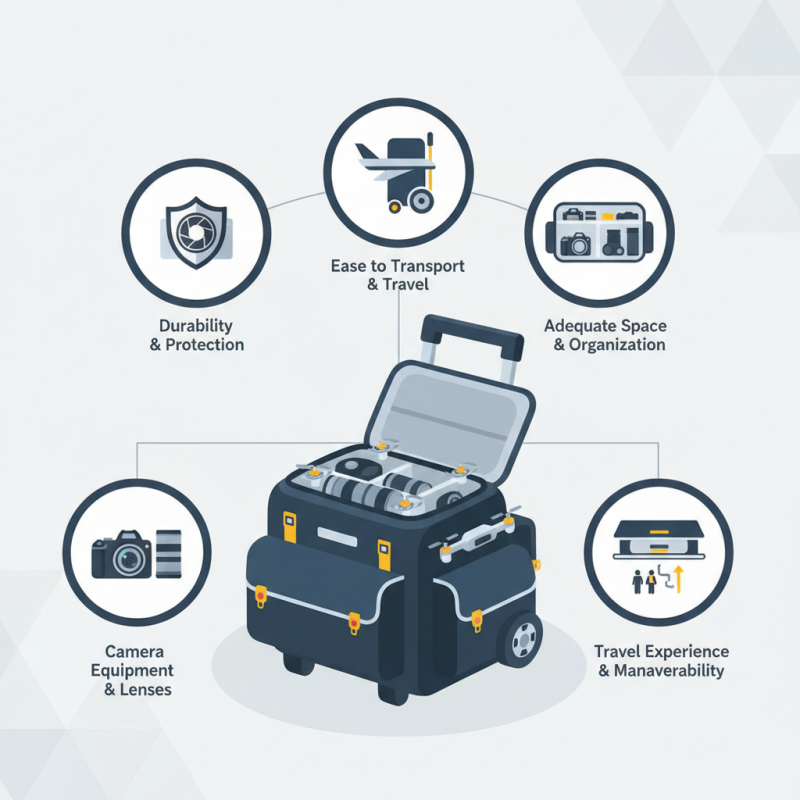
Choosing the right Large Rolling Camera Bag can be a daunting task. It involves considering various factors that meet your specific needs. You want durability, ease of transport, and adequate space. A good bag protects your gear and makes travel easier.
Think about your camera equipment. How many lenses do you usually carry? Are you a frequent flyer? The right bag should accommodate your gear while providing security. You might find that your current bag falls short in some areas, leaving you frustrated during shoots.
Reflect on your experiences. Does your bag fit in overhead compartments? Is it easy to maneuver in crowded places? A Large Rolling Camera Bag should address these concerns. Remember that the right choice can enhance your photography experience and protect your valuable gear.
Understanding Your Photography Gear and Requirements
Understanding your photography gear and requirements is crucial when choosing a large rolling camera bag. Every photographer has unique needs that depend on their equipment. Consider the number of lenses, camera bodies, and accessories you frequently use. A bag that seems spacious may not accommodate your gear appropriately. Measure your equipment to ascertain the proper fit.
Different styles of photography require different setups. If you shoot landscapes, you might need a bag that holds tripods and filters. Action photographers may favor a bag that provides quick access to gear. Not everyone realizes the importance of weight distribution. A well-balanced bag can significantly impact your comfort during long shoots. Reflect on how you carry your gear. If you often walk long distances, padding and wheel quality become essential.
Storage should be versatile. Removable dividers are useful for customizing space, but not all bags offer this feature. Think about what you might need in the future. A bag that feels perfect today might not suit your needs later. Lastly, ensure the zippers, handles, and wheels are durable; these components can wear down quickly. Choosing the right bag can be more complex than it seems.
Evaluating Material Durability and Weather Resistance
When choosing a large rolling camera bag, material durability and weather resistance are crucial. A bag made of high-quality materials will protect your gear better. Look for fabrics that resist tears and abrasions. Nylon and polyester are popular choices. They offer strength without adding too much weight.
Remember, weather resistance can be a lifesaver. If you're shooting outdoors, rain can hit unexpectedly. A bag with waterproof zippers and rain covers is essential. These features keep your equipment dry during sudden storms.
**Tips:**
Check if the bag has reinforced seams. This adds to its lifespan. Also, consider the weight of the bag itself. It should be manageable, especially when fully packed. Finally, don’t just focus on the exterior; interior padding is just as important. A well-padded bag provides shock absorption for your gear.
How to Choose the Best Large Rolling Camera Bag for Your Needs? - Evaluating Material Durability and Weather Resistance
| Feature |
Description |
Durability Rating |
Weather Resistance |
| Material Type |
Ballistic nylon, polyester, or canvas |
High |
Water-repellent or waterproof options |
| Zipper Quality |
Heavy-duty, weather-sealed zippers |
Medium |
Water-resistant |
| Reinforced Stitching |
Double-stitched seams for added strength |
High |
N/A |
| Wheels and Handle |
Durable wheels with a telescoping handle |
High |
N/A |
| Padded Dividers |
Removable and adjustable padded dividers |
Medium |
N/A |
| External Pockets |
Multiple pockets for accessories |
Medium |
N/A |
Assessing Size and Storage Capacity for Your Equipment
When selecting a large rolling camera bag, assessing size and storage capacity is crucial. Your equipment requires ample space, but the bag must also remain manageable. Think about your travel habits. Do you often carry multiple lenses, a tripod, or additional accessories? A bag with flexible compartments can help organize your gear efficiently.
Consider the bag’s dimensions carefully. It should fit in your vehicle or overhead compartments. Measuring your largest equipment can ensure you make the right choice. Balance is key; opt for a bag that is not overly bulky yet spacious enough. Sometimes, less is more. An overly packed bag may hinder accessibility during shoots.
Reflect on your workflow needs. Do you prefer quick access to your camera? Maybe you need separate sections for protection and organization. Evaluate how quickly you can grab what you need. Small features, like exterior pockets, might seem insignificant, yet they can add convenience. Don’t forget to think about the weight of the bag. You want something that is easy to roll but can still hold everything you need.
Storage Capacity of Large Rolling Camera Bags
Exploring Wheel Quality and Maneuverability Features
When selecting a large rolling camera bag,
wheel quality and maneuverability
are crucial aspects to consider. Look for bags equipped with
durable wheels. High-quality wheels will offer
smooth movement across various surfaces.
They should roll easily on rough terrain or uneven sidewalks.
This ensures you won't struggle while transporting your gear.
Maneuverability also depends on the wheel design.
Swivel wheels can make navigating corners simpler.
But they can sometimes feel less stable.
Consider how often you'll navigate
tight spaces versus open areas. A bag that balances stability and ease of maneuvering can enhance your experience.
Weight distribution is another factor to think about.
Properly designed bags should not tip easily, even when fully loaded.
Test the bag's balance by pushing it with a load.
If it feels awkward, you may need to reconsider.
Don't overlook the handle's comfort as well.
A comfortable grip can make long hauls more manageable.
Finding the right balance of wheels, maneuverability, and comfort can significantly impact your overall satisfaction with a camera bag.
Considering Additional Features for Convenience and Protection
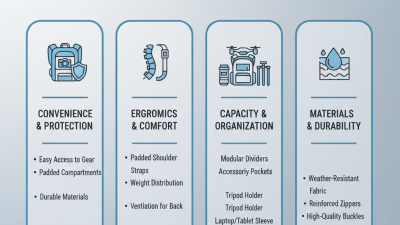
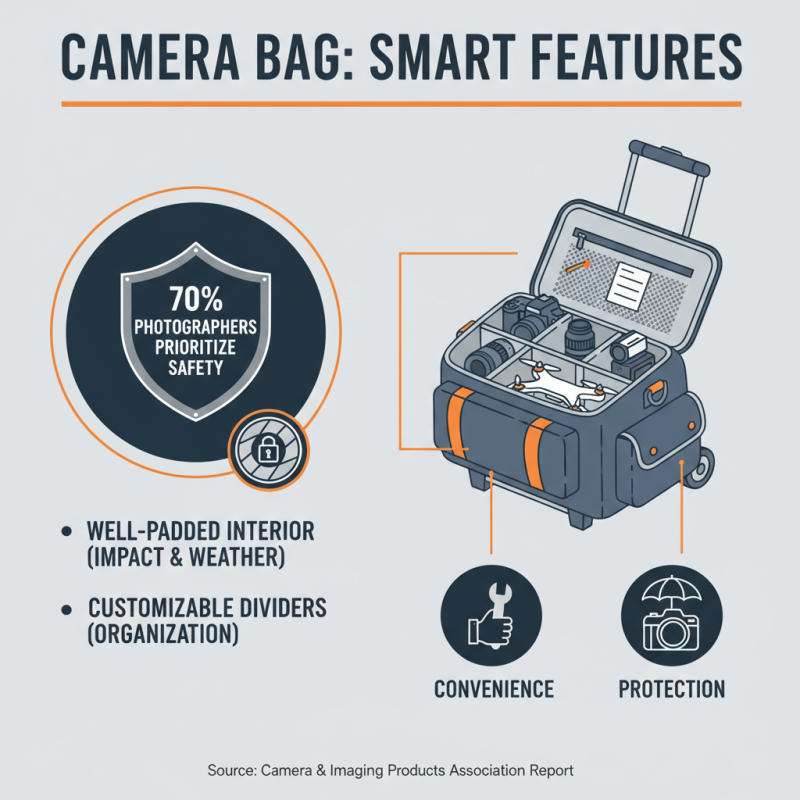
When selecting a large rolling camera bag, additional features can significantly enhance convenience and protection. According to a report from the Camera and Imaging Products Association, 70% of photographers prioritize safety features when choosing camera bags. A well-padded interior is essential. It protects your gear from impact and harsh conditions. Look for bags that offer customizable dividers. This flexibility allows you to organize your equipment efficiently.
Water resistance is another critical consideration. A survey by the Outdoor Industry Association shows that 55% of photographers have faced weather-related challenges. Waterproof materials can safeguard your gear from rain or accidental spills. However, some bags fall short in seam sealing. This is an issue worth examining before making a decision. Consider locks on zippers to deter theft. They add a layer of security, although they can sometimes be cumbersome to use.
Consider mobility as well. A lightweight design eases transport but check the wheel quality. Poorly designed wheels can break down quickly, making travel difficult. Available space is vital, too. Too little space leads to cramped equipment, while excess space can allow gear to shift during movement. Finding that perfect balance might take some trial and error. Evaluating these features closely can inform your decision-making process.