2026 How to Choose the Best Heavy-Duty Camera Tripod?
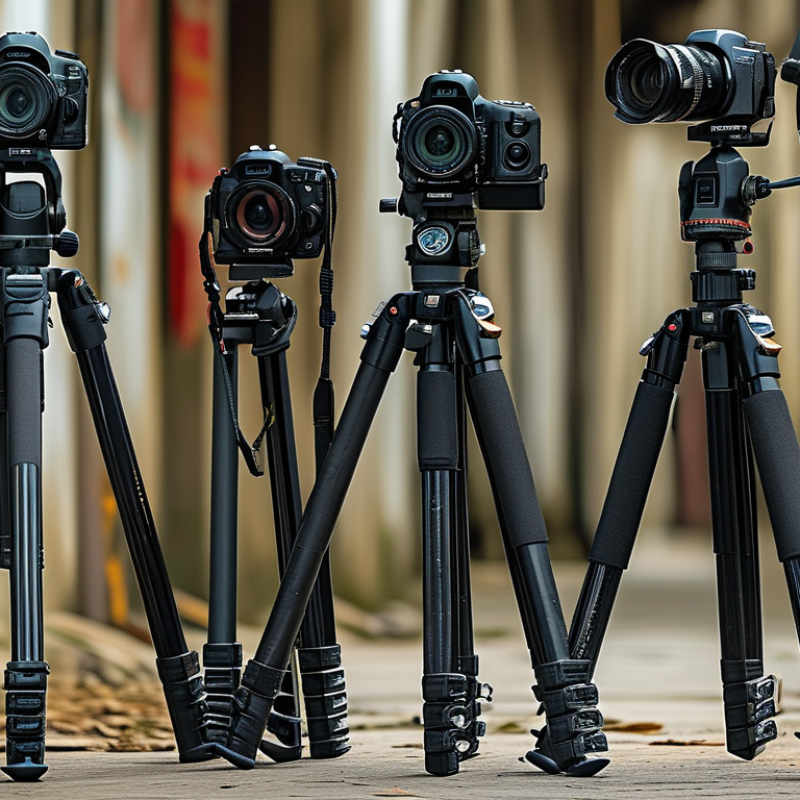
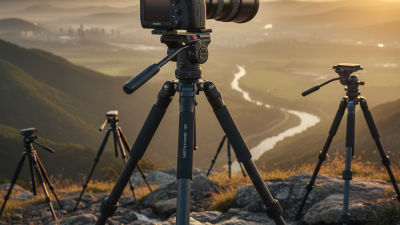
Choosing the right heavy-duty camera tripod can impact your photography significantly. A sturdy tripod provides stability, ensuring sharp images. It supports your equipment under various conditions.
When selecting a heavy-duty camera tripod, consider your needs. Think about the weight of your camera and lens setup. Stability is crucial for long exposures and challenging environments. Your tripod should be durable and reliable.
Explore various models and brands before making a decision. Read reviews from experienced photographers. Pay attention to load capacity and height adjustment features. Investing time in research leads to better choices. Remember, a poor choice can hinder your creativity.
Understanding the Importance of Heavy-Duty Tripods for Photography
Choosing the right tripod is crucial for photographers. Heavy-duty tripods provide stability and support. They are essential for capturing sharp images, especially in challenging conditions. Windy days or uneven terrain can easily compromise your shots. A sturdy tripod will help you maintain focus.
When selecting a heavy-duty tripod, prioritize weight capacity. Ensure it can hold your camera and any accessories securely. Look for material quality, as stronger materials can withstand harsher conditions. For outdoor photography, moisture resistance is a must. Those unexpected rain showers can happen.
**Tips:** Always test the tripod before use. Adjusting legs at various angles can reveal any weaknesses. Check for ease of setup; complex mechanisms can slow you down during shoots. Lastly, read user reviews to gauge reliability and performance.
Understanding the Importance of Heavy-Duty Tripods for Photography
Key Features to Look for in Heavy-Duty Camera Tripods
When selecting a heavy-duty camera tripod, key features can significantly impact your photography experience.
Stability is paramount, especially in challenging environments. Look for tripods made of
robust materials like aluminum or carbon fiber. These materials ensure durability and reduce vibrations.
Weight capacity is another crucial aspect. A tripod must support your camera gear while providing a solid base.
Check the load rating carefully. Often, it's beneficial to choose a tripod that can handle more weight than you currently need. This
extra capacity helps accommodate future upgrades or additional accessories.
Consider the height range of the tripod. It should offer versatile adjustments for different shooting angles. A tripod that can extend
to eye level enhances convenience. Don't overlook the locking mechanisms and leg configurations. Quick-release mechanisms speed up setup.
Leg locks should be reliable, ensuring they stay fixed during use. Remember, a tripod is an investment in your craft;
choosing wisely can elevate your photography projects.
Material Choices: Comparing Aluminum and Carbon Fiber Tripods
When choosing a heavy-duty camera tripod, the material is crucial.
Aluminum and carbon fiber are popular options, each with unique pros and cons.
Aluminum tripods are more affordable and robust,
making them suitable for rugged environments. However, they are heavier, which can be a drawback
for photographers hiking long distances. Reports indicate that around 55% of outdoor
photographers prefer lightweight solutions, leading to a growing interest in carbon fiber.
Carbon fiber tripods offer a remarkable strength-to-weight ratio.
They weigh about 30% less than aluminum models, yet they provide excellent stability.
A study by the Imaging Resource suggests that users prioritize weight and portability, with nearly
70% indicating these factors influence their purchases.
Unfortunately, these tripods tend to be more expensive, and prices can be a barrier for some.
Both materials have their place in photography, but each comes with trade-offs.
Aluminum trips are durable but heavy, while carbon fiber provides portability at a higher cost.
Many photographers find themselves reflecting on which features align best with their shooting style.
Understanding these nuances is essential for making an informed decision.
Weight Capacity and Stability: Ensuring Your Gear is Supported
When selecting a heavy-duty camera tripod, weight capacity and stability are crucial. A sturdy tripod can support not only your camera but also any additional accessories you may need. Look for tripods made of durable materials like aluminum or carbon fiber. These options can handle heavier loads while remaining lightweight for transport. Pay attention to the load capacity specified by the manufacturer; it should exceed the weight of your camera and lens combined.
Stability is another key factor in tripod selection. A broader base typically provides better stability on uneven terrain. Consider tripods with adjustable legs and a hook for adding weight, which can enhance stability in windy conditions. Many photographers overlook the significance of a tripod's stability until it’s too late. Poor stability can lead to blurred images, particularly during long exposures.
Don't forget to check user reviews and expert recommendations. Understanding real-world performance matters. Not every tripod will meet your specific needs, so evaluating your situation is important. Ensure that your gear remains supported under all circumstances, giving you peace of mind as you shoot. Every photographer has faced challenges with stability; learning from those experiences can inform your tripod choice.
2026 How to Choose the Best Heavy-Duty Camera Tripod? - Weight Capacity and Stability: Ensuring Your Gear is Supported
| Tripod Model |
Weight Capacity (lbs) |
Material |
Height Range (inches) |
Weight (lbs) |
Price ($) |
| Model A |
30 |
Aluminum |
36-72 |
5.5 |
150 |
| Model B |
25 |
Carbon Fiber |
32-65 |
4.0 |
200 |
| Model C |
40 |
Aluminum |
38-76 |
6.0 |
180 |
| Model D |
35 |
Carbon Fiber |
34-70 |
4.5 |
220 |
| Model E |
50 |
Aluminum |
40-80 |
7.0 |
250 |
| Model F |
45 |
Carbon Fiber |
36-70 |
5.8 |
230 |
Additional Accessories and Features to Enhance Tripod Performance
When selecting a heavy-duty tripod, consider additional accessories that can significantly improve your shooting experience. A good quality ball head or pan-tilt head is essential. It allows for smooth adjustments. A sturdy quick-release plate is also important. This feature enables you to switch between different positions easily.
Tips: Always check the weight limit of the tripod and your camera. If you're using a heavy lens, upgrade your tripod system. Stability will be compromised if you exceed the weight limit. Don't forget about a tripod bag for transport. It protects your investment when you are on the move.
Consider using a leveling base. This accessory helps you achieve perfectly leveled shots on uneven ground. A set of rubber or spiked feet can be beneficial as well. They provide stability on various surfaces. Reflect on your shooting environment. It can drastically change how your tripod performs.