China Best Professional Camera Stabilizer Manufacturer?

China Best Professional Camera Stabilizer Manufacturer? This question deserves more than a low factory price or a polished product photograph. A reliable evaluation should examine payload accuracy, stabilization algorithms, operating time, operator ergonomics, and after-sales support. A cinema rig may carry a 4.5-kilogram camera, matte box, wireless transmitter, and focus motor. Every gram matters.

Industry reports show why this market is expanding. Grand View Research’s Camera Stabilizer Market Size, Share & Trends Analysis Report identifies rising video production and compact professional cameras as major growth drivers. IMARC Group’s camera stabilizer market analysis also points to demand from filmmaking, live events, sports, and online production. The numbers differ between reports. That is worth noting. Market forecasts are useful, but they are not proof of manufacturing quality.

Garrett Brown, inventor of the Steadicam, expressed the operator’s purpose clearly: “The Steadicam is a tool for making the camera move like a human being.” His principle still matters when comparing Chinese manufacturers. A strong Professional Camera Stabilizer should create smooth movement without making the operator fight the equipment. Look for documented payload tests, measured battery performance, replaceable parts, calibration records, and real customer footage. Factory experience also matters, but claims need evidence. A manufacturer may advertise “cinema-grade” performance while providing limited data. That gap deserves questions. The best supplier is not automatically the largest one. It is the manufacturer that can repeatedly deliver stable engineering, transparent specifications, and practical support for demanding production environments.
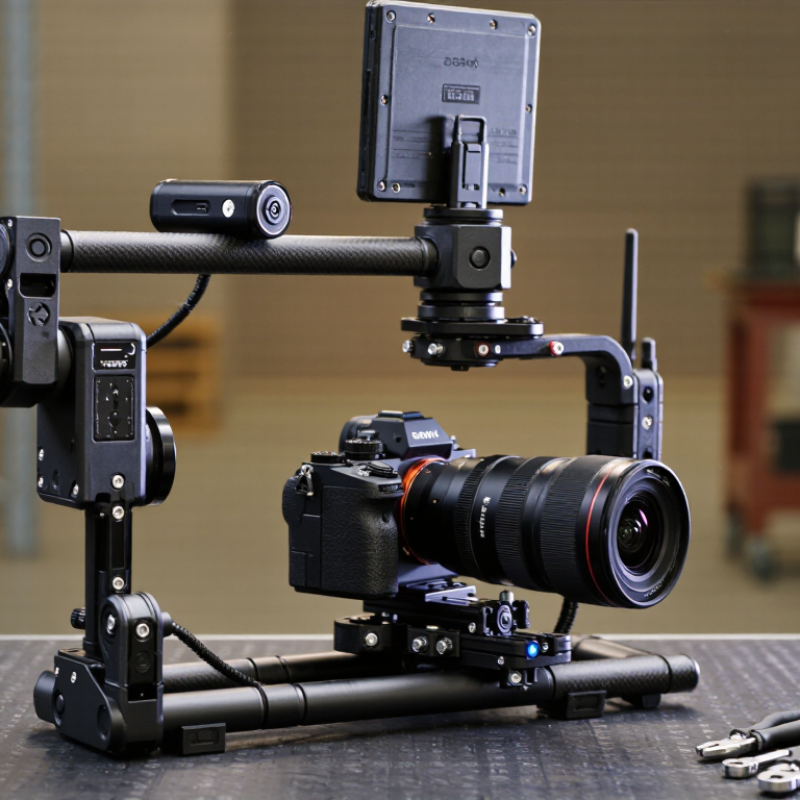
China Best Professional Camera Stabilizer Manufacturer?

Types of Professional Camera Stabilizers Made in China

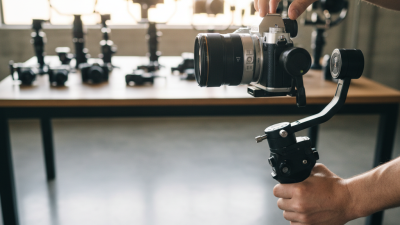
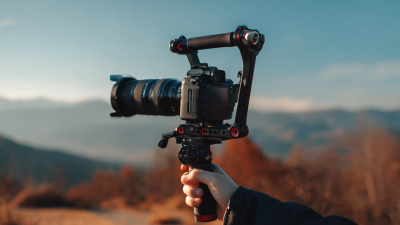
Professional camera stabilizer manufacturers in China now produce several system types for different shooting conditions. A three-axis handheld gimbal suits weddings, documentaries, and fast social video. It corrects roll, pitch, and yaw through motors and inertial sensors. Check payload tests, motor temperature data, and spare-part access.

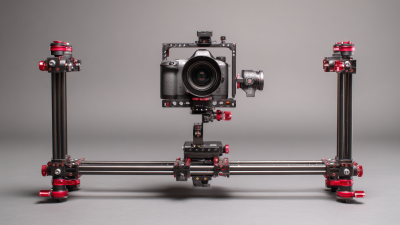
Vest-and-arm stabilizers distribute heavier cinema cameras across the operator’s body. They support long walking shots, where a compact gimbal can cause wrist fatigue. Remote pan-tilt heads fit cranes, vehicles, and fixed production platforms. They value repeatable movement, wireless control, and quiet operation. Cable systems serve overhead or wide-area scenes.

Shoulder rigs and mechanical stabilizers remain useful when batteries or calibration are undesirable. They feel natural, but balancing requires practice. According to CIPA’s 2024 shipment statistics, 8.49 million digital cameras shipped worldwide, indicating a substantial capture-device base. MarketsandMarkets forecasts camera stabilizer growth at approximately 6% annually through 2028, driven by lightweight cameras and mobile production. A factory may quote a perfect payload, yet field balance can disagree. I would test that claim. Look for measured walking footage, cold-start performance, and clear load limits.

China Best Professional Camera Stabilizer Manufacturer? - Types of Professional Camera Stabilizers Made in China

Typical specifications and applications of professional camera stabilizer categories manufactured in China

Stabilizer Type Stabilization System Typical Payload Common Materials Suitable Camera Setup Typical Applications Key Advantages
Handheld 3-Axis Gimbal Brushless motor stabilization on pan, tilt, and roll axes Approximately 1.5–5 kg Aluminum alloy, reinforced polymer, carbon-fiber components Mirrorless cameras, DSLR cameras, compact cinema cameras, standard zoom lenses Commercial videos, documentaries, weddings, travel films, online content Portable, fast setup, smooth movement, electronic operating modes
Professional Cinema Gimbal High-torque 3-axis motorized stabilization with electronic control Approximately 5–15 kg Machined aluminum alloy, carbon fiber, stainless-steel fasteners Digital cinema cameras, matte boxes, wireless follow-focus systems, external monitors Feature films, television production, music videos, large commercial shoots Higher payload capacity, precise balance adjustment, remote-control compatibility
Vest and Arm Stabilizer Mechanical spring arm combined with a body-worn support vest Approximately 5–20 kg Aluminum alloy, carbon fiber, padded textile, steel springs Professional cinema cameras and long-duration shoulder or handheld rigs Film production, event coverage, sports filming, continuous tracking shots Reduces operator fatigue and transfers camera weight to the torso
Mechanical Handheld Steadicam Counterweight-based mechanical stabilization without powered motors Approximately 2–15 kg Aluminum alloy, carbon fiber, stainless steel, precision bearings DSLR cameras, mirrorless cameras, cinema cameras, flexible lens configurations Narrative filmmaking, long takes, low-angle shots, independent production No battery dependence, natural operating movement, durable mechanical design
Remote Pan-Tilt Head Motorized pan and tilt movement, often mounted on a tripod, crane, or vehicle Approximately 3–25 kg Aluminum alloy, steel gears, engineering polymer housings Studio cameras, PTZ-style camera systems, cinema cameras, telephoto lenses Broadcasting, studio production, live events, time-lapse, remote filming Accurate repeatable movement, remote operation, compatibility with fixed installations
Vehicle-Mounted Camera Stabilizer Motorized multi-axis stabilization with vibration isolation and mounting hardware Approximately 5–30 kg Aluminum alloy, carbon fiber, elastomer isolators, steel brackets Cinema cameras, action cameras, broadcast cameras, wide-angle lens systems Automotive commercials, action scenes, motorsports, aerial and road filming Improves footage stability during vehicle motion and reduces high-frequency vibration
Shoulder Camera Support Rig Mechanical weight distribution with shoulder padding and adjustable support points Approximately 2–12 kg Aluminum alloy, carbon fiber rods, rubber padding, engineering polymer DSLR cameras, mirrorless cameras, cinema cameras, audio and monitor accessories News gathering, documentaries, interviews, event filming, handheld production Improves balance, provides accessory mounting points, supports stable shoulder operation
360-Degree Camera Stabilizer Multi-axis electronic stabilization designed for panoramic capture Approximately 1–8 kg Aluminum alloy, carbon fiber, reinforced polymer 360-degree cameras, panoramic camera rigs, compact multi-camera systems Virtual tours, immersive media, tourism content, real-estate imaging Supports panoramic workflows and helps maintain a level horizon during movement

Note: Payload, dimensions, battery runtime, control protocols, and mounting interfaces vary by configuration. The figures shown are typical industry ranges for professional equipment and should be confirmed against the selected model before purchase.
Core Technologies Used in Camera Stabilizer Manufacturing

China Best Professional Camera Stabilizer Manufacturer?

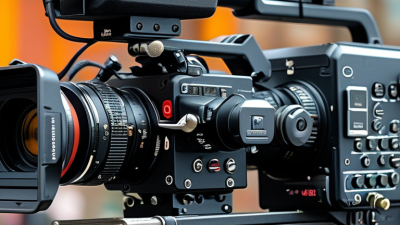
Core technologies determine whether a camera stabilizer feels dependable in real production. A three-axis brushless motor system corrects roll, pitch, and yaw independently. Its performance depends on motor torque, payload balance, and control accuracy. The inertial measurement unit, or IMU, detects movement hundreds of times per second. A PID algorithm then adjusts motor output with minimal delay. Small errors remain. Temperature changes can alter sensor readings and create slight horizon drift.

Manufacturers increasingly combine carbon-fiber tubes, CNC-machined joints, and sealed electrical modules. These materials reduce weight while protecting internal components from dust and vibration. According to the Camera and Imaging Products Association, global digital camera shipments reached about 8.49 million units in 2024. This growth supports demand for lighter stabilization equipment across documentary, commercial, and independent production work. Grand View Research also identifies camera accessories as a steadily expanding market, driven by professional and creator workflows.

Battery engineering matters as much as mechanical design. High-density lithium battery packs must balance runtime, heat control, and safe charging. In production testing, stabilizers should pass repeated start-stop cycles, payload changes, and walking tests on uneven floors. A laboratory result is not enough. Operators notice handle vibration, motor noise, and delayed response immediately. Some designs still prioritize specifications over comfort. That is a weakness worth correcting. A reliable manufacturer should publish payload limits, calibration procedures, endurance data, and service tolerances, not only attractive product images.

Core Technologies Used in Camera Stabilizer Manufacturing

Camera stabilizers commonly combine mechanical balancing, inertial sensing, and motorized correction. The chart compares representative stabilization systems by the number of physical axes actively corrected.

A three-axis gimbal typically controls pan, tilt, and roll. Actual specifications vary by product design and operating mode.

Key Features of a Reliable Camera Stabilizer Manufacturer

Choosing China’s best professional camera stabilizer manufacturer requires more than polished product photos. A reliable supplier shows engineering evidence, not slogans. CIPA recorded 8.49 million digital cameras shipped worldwide in 2024, about 10% more than in 2023. This growing installed base increases demand for stable, repeatable support equipment. Manufacturers should publish payload ranges, tilt limits, battery endurance, and measured vibration results. Numbers must match field performance. That matters.

Look for a documented quality system and traceable production. The ISO Survey 2023 reported 1,265,216 ISO 9001 certificates worldwide, but certification alone cannot prove excellent stabilization. Ask for material records, motor calibration logs, firmware control, and serial-number tracking. A serious factory tests a rig with a real camera, lens, monitor, and microphone. It should repeat testing after heat, cold, transport vibration, and repeated arm movement. Small details count, such as a lock that remains usable with gloves.

Professional experience also appears in after-sales support. Request replacement-part lead times, repair procedures, and clear warranty exclusions before ordering. Engineers should explain how the system handles sudden lens changes, uneven loads, and low-angle operation. No factory is flawless. I would value a supplier that publishes failed-test rates and corrective actions, even when the figures look uncomfortable. Independent inspection reports, sample approval, and a short production trial can reveal weak screws, noisy motors, or drifting balance before a large purchase.

How to Evaluate China-Based Stabilizer Suppliers

China Best Professional Camera Stabilizer Manufacturer?

How to Evaluate China-Based Stabilizer Suppliers

China offers deep manufacturing capacity, but supplier selection needs more than attractive pricing. UNIDO’s International Yearbook of Industrial Statistics reports that China produced about 31% of global manufacturing value added in 2022. Scale helps. It does not guarantee stable engineering.

Ask for a factory audit, not only product photos. Check machining areas, calibration records, assembly instructions, and final inspection logs. A serious supplier should provide payload curves, motor torque data, battery test results, and tolerance ranges. Test one stabilizer with a real camera setup. Hold it at a 30-degree angle for ten minutes. Watch for drift, overheating, vibration, and delayed response.

Small details matter.

Request three samples from different production batches. Compare their balance, locking mechanisms, and connector fit. Review failure records and the corrective actions behind them. ISO’s 2022 Survey recorded more than 575,000 ISO 9001 certificates in China, yet certification alone cannot prove stabilizer performance. Confirm the certificate’s scope and audit status.

My own evaluation mistake was trusting a smooth demonstration. The sample worked well indoors, but its motor weakened after repeated outdoor operation. Suppliers should explain operating temperature, moisture limits, spare-part availability, and repair procedures. A written warranty is useful, but response time is better evidence. Ask how quickly they replace a faulty control board. Also inspect packaging, serial tracking, and pre-shipment inspection photos. Some suppliers may resist these checks. That resistance is data.

Applications and Customization Options for Professional Stabilizers

China’s professional camera stabilizer manufacturers serve cinema, documentary, live production, and industrial imaging teams. Each application demands a different balance between payload, mobility, and control. A cinema rig may need stronger motors for a 6–12 kilogram camera package. A documentary operator may prefer a lighter frame for long street shoots.

CIPA’s 2024 Camera and Imaging Products Market Data recorded approximately 8.49 million digital-camera shipments worldwide. This continuing hardware demand supports wider use of stabilization systems in professional workflows. However, shipment volume does not prove every stabilizer performs equally. Buyers should request payload testing, motor-temperature records, and balancing instructions. Small details matter. A loose quick-release plate can ruin an otherwise stable walking shot.

Customization usually includes carbon-fiber handles, adjustable arm length, dual-operator controls, weather-resistant sealing, and tailored mounting plates. Factory teams can also tune motor response for different lenses and camera centers of gravity. Grand View Research identifies video production and professional imaging as important applications within the camera stabilizer market. Still, its market estimates should be compared with field tests, not treated as purchase guarantees. My practical concern is simple: excessive customization can increase weight, repair time, and operator fatigue. The best configuration is often less impressive on paper. It is the one that remains steady after six hours of real movement.