What is a 360 Degree Camera Tripod and How to Choose One?
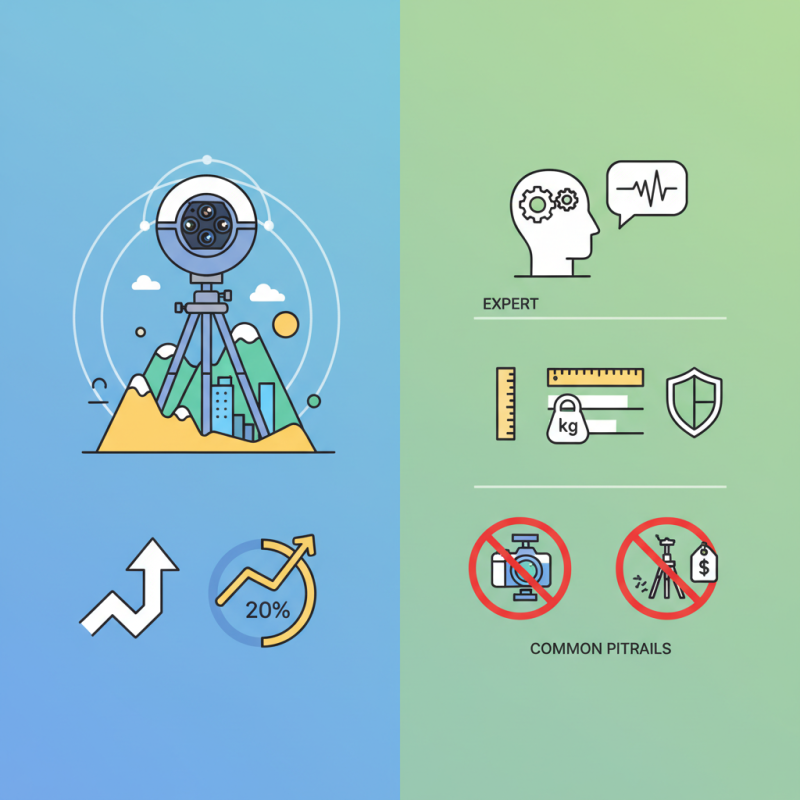
In the evolving realm of photography, a 360-Degree Camera Tripod is an essential tool for capturing immersive moments. According to a recent industry report by Market Research Future, the demand for 360-degree cameras, supported by such tripods, is projected to grow by over 20% annually. This surge speaks to the rising interest in virtual reality and panoramic content creation.
Expert in the field, John Porter, states, “A reliable tripod not only enhances stability but elevates the quality of the captured experience.” Choosing the right 360-Degree Camera Tripod involves understanding key features, such as height adjustment, weight capacity, and material durability. With various options available, it can be challenging to find the perfect match.
While the right tripod can make a significant difference, there are common pitfalls. Many users overlook the importance of compatibility with their camera model. Additionally, users often prioritize price over quality, which may lead to disappointing results. A careful consideration of these factors can enhance your photography journey and elevate content creation to new heights.
Understanding the Basics of 360 Degree Camera Tripods
A 360-degree camera tripod is essential for immersive photography. It allows for seamless capturing of panoramic images. Choosing the right tripod can enhance your shooting experience significantly. Understanding the basics is the first step.
When selecting a tripod, consider stability and height. A sturdy base prevents unwanted vibrations. Many tripods come with adjustable legs. This feature helps in uneven terrain, ensuring all angles are covered. Lightweight materials are beneficial for portability; however, they might sacrifice some stability. Finding a balance is key.
Compatibility with your camera model is crucial. Not all tripods function with every type of camera. Check the weight capacity. An inadequate tripod could lead to equipment damage. Lastly, don’t overlook the user experience. Some tripods are more challenging to set up, which could become frustrating on location. Take time to learn about different options. Test them in person when possible.
Key Features to Consider When Choosing a 360 Degree Camera Tripod
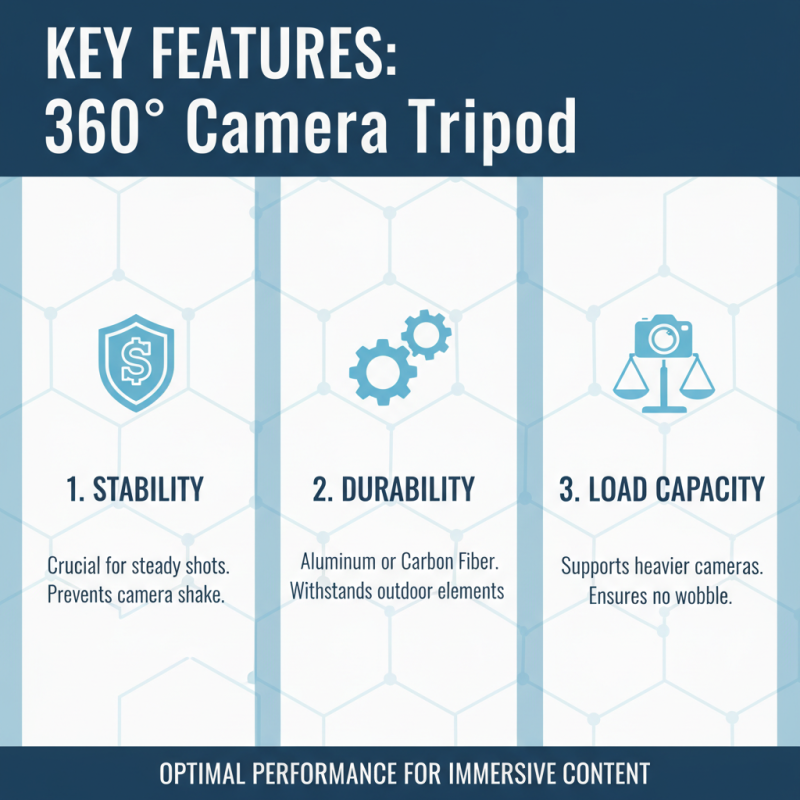
When choosing a 360-degree camera tripod, several essential features must be considered to ensure optimal performance. Stability is paramount. A sturdy tripod can handle wind or uneven terrain, providing a solid base for your camera. Look for tripods made from durable materials like aluminum or carbon fiber. These materials not only enhance stability but also support heavier camera setups without wobble.
Another critical aspect is the height adjustment capability. A versatile tripod should offer a range of heights to accommodate different shooting angles. This flexibility allows for creative compositions, whether you're capturing vast landscapes or intimate close-ups. Also, consider the tripod's weight. A lightweight model is easier to transport but ensure it remains sturdy enough for your camera, especially during outdoor shoots.
Finally, examine the tripod's mounting options. Many 360-degree tripods come with multiple mounting points, enhancing their versatility. This feature enables you to use various cameras or accessories. Choose one that suits your specific requirements. Reflecting on your needs is essential. The right tripod can significantly enhance your photography experience, but selecting one only based on price may lead to regret later. A thoughtful decision now will yield better results in your creative ventures.
Types of 360 Degree Camera Tripods Available in the Market
When selecting a 360-degree camera tripod, it's essential to understand the different types available. Tripods can vary widely based on the intended use and camera weight. Some common types include sturdy carbon fiber tripods, lightweight aluminum models, and portable handheld tripods. Carbon fiber tripods are excellent for stability during outdoor shoots, while aluminum is often more budget-friendly.
A recent industry report estimates that 360-degree cameras will see a market growth of 12% annually. This surge indicates a rising popularity in immersive content creation. Understanding these trends can guide your purchasing decision. For example, a more robust tripod may be necessary for professional use.
Tips: Consider your shooting environment when choosing a tripod. A lightweight model might be convenient for travel, but it may not provide adequate stability in windy conditions. Also, look for adjustable legs to tackle uneven terrain.
The right tripod can enhance your shooting experience. However, it’s crucial to choose one that aligns with your specific needs. Researching various options can help you avoid common pitfalls like purchasing equipment that is too heavy or cumbersome for casual shooting.
Popularity of Different Types of 360 Degree Camera Tripods
How to Properly Use a 360 Degree Camera Tripod for Best Results
Using a 360 degree camera tripod effectively can significantly enhance your photography and videography. Positioning the tripod on stable ground is essential. Ensure your camera is level to avoid distorted images. Adjust the height based on your subject. High angles can offer unique perspectives, while low angles can create dramatic effects.
When capturing a scene, pre-check your surroundings. Look for objects that may interfere with your shot. Sometimes, an unexpected obstacle can ruin a perfectly framed image. It’s also vital to consider lighting conditions. Early morning or late afternoon provides softer light. Be aware of the sun's position to avoid harsh shadows.
Experimenting with different compositions is key. Don't hesitate to take multiple shots from various angles. This approach can help in identifying the best perspective. Review your work critically. Ask yourself if the images convey the intended message. Reflecting on your process can lead to improvement over time.